[embedyt] http://www.youtube.com/watch?v=MwZFr1VngyU[/embedyt]

[embedyt] http://www.youtube.com/watch?v=MwZFr1VngyU[/embedyt]
 Have you ever wondered how they do it? You know how the high performers get so laser focused on achieving their goals.
Some people call it “getting into the zone” or “into the flow”; this is where you are super focused and your concentration is full on. You become an unstoppable force in pursuit – in pursuit of a grand vision.
You may think that getting into the zone was only reserved for athletes; however, it applies to anyone who wants to be a high performer. You could be preparing for the big board meeting or pitching a business idea. You could be an artist painting a picture, a musician preparing for a big gig, or a student studying for an exam. What areas of your life do you what to be known as a high performer?
High performers all have three things in common: motive, mindset, and mastery.
Motive
High performers have a clear understanding of what motivates them. High performers are motivated from within and do not necessarily need someone outside in themselves to push them toward their goals. Recognition and rewards can be motivating but are not often the sole motivators. They know their “why” for doing what they want to do and they make specific plans to get there. They take time to learn how to do what they want to do and break it down into smaller manageable pieces. These performers have a clear picture of how everything may unfold; and they learn to let go and trust in their abilities.
Mindset
High performers prepare their mindset by eliminating as many distractions as possible. Have you ever seen the movie “The Legend of Bagger Vance” with Will Smith and Matt Damon? Matt Damon’s character was a golfer who needed to have the ability to zone the crowd out and focus on his next shot. When high performers get in the zone they are able to move be laser focused on what they are working on without distraction.
They may eliminate clutter or create a space or environment where they feel at their best. Clutter can be external like messy desk or piles clothing waiting to be folded. Internal clutter such as negative self-talk can create self-doubt and sabotage your actions. Listening to music or podcast s can put you in a good mood and leave you in a positive state.
Exercise is an excellent way to set your mindset. It increases blood flow to the brain making you more alert and awake during exercise but more focused after exercise. Yoga, meditation, and prayer also focus the mind. For some high performers timing can be everything, they work when their energy is the highest to achieve the greatest results. An example of this is the person who gets up early or the person who stays up late to do what they need to do.
Mastery
High performers imagine their success and m person mastery. They do this through the power of visualization and acting as if they have already achieved what they already want. Start each day or end every evening visualizing achieving success in details as if it was reality. Actor Jim Carrey credited his success to the power of visualization. He wrote himself a check for $10 million dollars for acting services rendered. Vision boards are a very powerful tool to keep what you want top of mind.
“Create the highest, grandest vision possible for your life, because you become what you believe.” – Oprah Winfrey
Journaling your success is another way to focus on what you wish to achieve. Write out the events as if everything was unfolding the way you want it to be. Your perception is your reality.
 Remember the brain cannot distinguish between what is real and imagined so putting yourself in the state and imagining yourself as of achieving it makes it real. Your positive thoughts influence your feelings and the actions you will take to achieve your goals. High performers often attribute practice and more practice as the key to their success. They aim to give their very best to succeed.
To be a high performer, you must be persistent and stay committed to your course of action. You must know what you want and why you want what you want. You must enjoy what you do in order to do it well.
What actions will you take to get into the zone and become a high performer?
DEBRA KASOWSKI, BScN CEC is an award-winning best-selling author, transformational speaker, blogger, and Certified Executive Coach. She has a heart of a teacher and is certified in Appreciative Inquiry and Emotional Intelligence. Her writing has been published in a variety of print and online magazines. Debra Kasowski International helps executives, entrepreneurs, and organizations boost their productivity, performance, and profits. It all starts with people and passion. Sign up the Success Secrets Newsletter and get your free mp3 download today! www.debrakasowski.com
 Getting out the door in the morning can be a challenge. It seems like there is never enough time to get things done. Why do some people seem to have a handle on this while others struggle?
Many of the time saving tips seem so common. If they were so common, why isn’t everyone doing it? You could be setting yourself up for a focused work day. Time is a commodity; use it wisely.
“I get up every morning determined to both change the world and to have one hell of a good time. Sometimes, this makes planning the day difficult.” – E.B. White
The night before…

“Morning is an important time of day, because how you spend your morning can often tell you what kind of day you are going to have.” – Lemony Snicket, The Blank Book
The morning of…
Feeling rushed or being late can set a tone for the day. It impacts customers/clients, co-workers, businesses, and organizations- and YOU! Set yourself up for success!
DEBRA KASOWSKI, BScN CEC is an award-winning best-selling author, transformational speaker, blogger, and Certified Executive Coach. She has a heart of a teacher and is certified in Appreciative Inquiry and Emotional Intelligence. Her work has been published in Diversity Magazine and Fabulous at 50 magazine. Debra Kasowski International helps executives, entrepreneurs, and organizations boost their productivity, performance, and profits. It all starts with people and passion. www.debrakasowski.com

No matter how planned and prepared you are, life can throw you a curve ball that you did not expect. You may have been passed over for promotion that you had been anticipating and had worked hard for. Your investments took a loss or your business failed. You may be the salesperson who is constantly faced with rejection. An injury may have ended a career. No one would blame you for feeling down and out. You may experience depression and feel unworthy; however, nothing will change until you make the change.
“It’s not whether you get knocked down; it’s whether you get up.”
Vince Lombardi
Change begins with a choice. The choice is to not let a situation or circumstance keep you knocked down and define your future. It does not matter if you are an entrepreneur, business owner, or part of an organization these strategies apply everyone.
Perspective is everything. Your perspective is your reality. Being knocked down is not a permanent state if you plan to get up. This setback is temporary and you are setting up for your greatest comeback.
Find the lesson. Every situation can be viewed as a good thing or bad thing. Again it’s a matter of perspective. What is it that you can learn from this situation to assist you in the future? What can be improved? What can you stop doing? What do you need to start doing?
Stop comparing yourself to others. Comparing yourself to others is a negative downward spiral; the trouble is your comparisons are usually to one moment of time and not a person’s lifetime. By comparing yourself to others you are discounting your own skills, abilities and talents that you bring to the table. Your self-confidence decreases when you don’t believe that you measure up.
Start celebrating your small successes. Make plans to celebrate your small achievements as these small successes create momentum and motivate you to continue working toward achieving your goal. It is so easy to move on to chasing your next achievement. You won’t realize how far you’ve come until tell you acknowledge where you came from.
 Compete with yourself. People often get frustrated when they’re trying to compete with someone else for time, money, resources, and even attention. Your focus should be on being a better you today than you were yesterday. Can you lead to better today than you did yesterday? Can you ask better questions today than yesterday? Can you put in more effort today than you did yesterday? Effort will always surpass talent.
Make you use of the resources you currently have. So many people get stuck because they think they need to have certain things in place before they can take action. Truth is most of the time you have everything you need in front of you to take action. They have to shift their mindset from scarcity to one of abundance. There is enough resources for everyone. People will complain or come up with excuses that they don’t have enough time or money. The economy is bad. Create your own economy. There are businesses and organizations prospering – why can’t you. Everyone has the same amount of time it is all about how it’s being used. Although we don’t all have the same amount of money, every dollar that you have can be assigned to the use. There are many ways to earn more money based on your talents, skills and abilities. You just need to put your thinking cap on and get creative.
Take massive action. Don’t let the fear of failure have a chance to grow. The longer you avoid taking action the harder it will be to take action in the future. Nothing will keep you down for long when you make a plan to take massive action where you can see results almost immediately or within a short time frame. When you start seeing results, you get a boost in self-confidence and are more likely to take action.
You may be down for a short time but what matters is how you handle it and how soon you get up. Setbacks can be a blessing in disguise. Take time to recognize that you are getting stronger every day and with each new experience you are more competent. You can handle anything that comes your way and you have abundant resources around you. Don’t be afraid to ask for help if you need it. Start being inspired by your own actions.
Never quit. See the challenge as an opportunity – get up and go back into the ring!
DEBRA KASOWSKI, BScN CEC is an award-winning best-selling author, transformational speaker, blogger, and Certified Executive Coach. She has a heart of a teacher and is certified in Appreciative Inquiry and Emotional Intelligence. Her writing has been published in a variety of print and online magazines. Debra Kasowski International helps executives, entrepreneurs, and organizations boost their productivity, performance, and profits. It all starts with people and passion. Sign up for Debra’s Success Secrets Newsletter and get your free mp3 download today! www.debrakasowski.com
Setting goals has always been seen as one of the most important pieces attributing to a person’s success. You can’t achieve success if you are not measuring the achievement of your goals. If you want to perform at your top level of potential, you need to start tracking your progress. By tracking your progress, you will accelerate your success faster than if you did not track it.
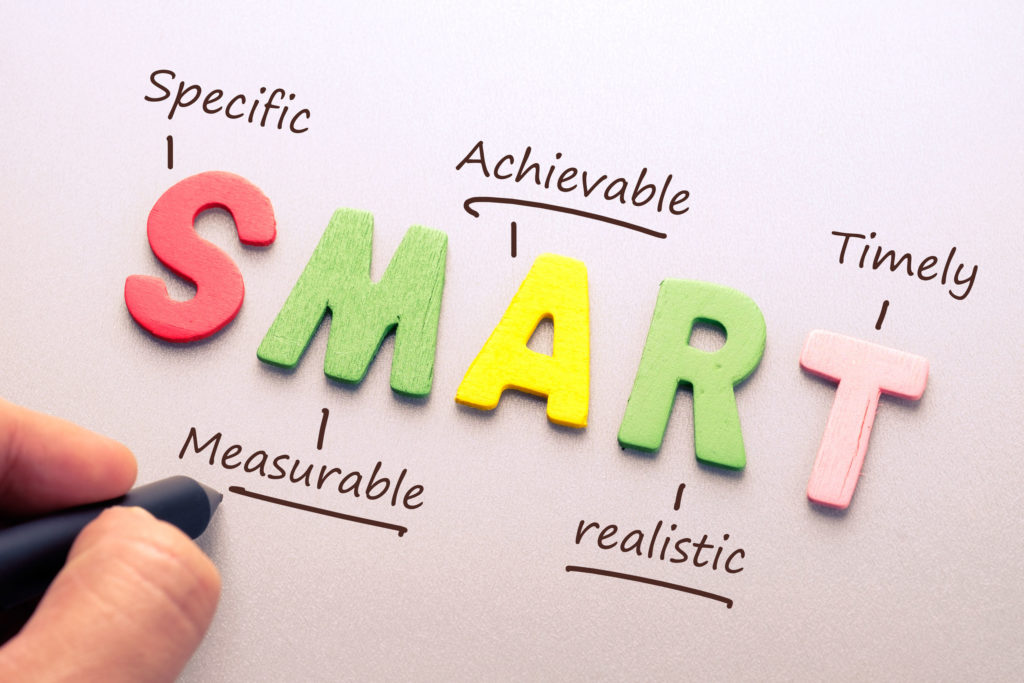
Write out your goals and track your progress. There are many app based tracking tools for your smartphone like LifeTick, BackPack, 43 Things, Stickk, and Achievr to help you keep on track. You can track the progress of any goal you set has long as it is S.M.A.R.T. (specific, measurable, achievable, realistic, and timely). You can track the cups of coffee you are drinking, the amount of money you are spending, how many kilometers you are driving, and the number of referrals you have followed up with after a networking event. If you are not tracking you are not making progress. Ink it so you can think it!
“Progress is the activity of today and the assurance of tomorrow” – Ralph Waldo Emerson
Once you start tracking, you will start noticing a shift in how you approach your goals:
You will begin to notice how vital it is to track your progress. You will be more committed to your goals than ever before. Each action you take gets you closer to your goals so go and be a goal getter!
DEBRA KASOWSKI, BScN CEC is an award-winning best-selling author, transformational speaker, blogger, and Certified Executive Coach. She has a heart of a teacher and is certified in Appreciative Inquiry and Emotional Intelligence. Her work has been published in Diversity Magazine and Fabulous at 50 magazine. Debra Kasowski International helps executives, entrepreneurs, and organizations boost their productivity, performance, and profits. It all starts with people and passion. www.debrakasowski.com