In today’s complex and ever-changing environments, teams are no longer simply groups of talented individuals working side by side. They are living systems that are shaped by relationships, communication patterns, power dynamics, purpose, and the broader organizational context in which they operate.
At the same time, when teams struggle, have you noticed that the response is often tactical: more meetings, new processes, another reorganization, or individual leadership development alone?
Many of the challenges teams are facing are interconnected with other partners in the system. Teams are often working in silos, looking for solutions and wanting to bring a voice to the possibility of something better.
Team coaching offers a different approach. It is far more sustainable and a path forward in the right direction.
What is Team Coaching?
“Coming together is the beginning. Keeping together is progress. Working together is success.” – Henry Ford
Team coaching is a structured, collaborative partnership that supports an entire team to work more effectively together while remaining aligned to their shared vision, mission, and collective purpose. Hilary Lines and John Leary-Joyce (2024) define Systemic Team Coaching as “a process of coaching the whole team, together and apart, over a designated period of time.”

Unlike individual coaching, which focuses on personal growth and performance, team coaching works with the team as a system. It explores how team members relate, communicate, make decisions, manage conflict, and respond to change—both internally and within the larger organization.
At its core, team coaching creates space for:
- Shared understanding
- Collective accountability
- Psychological safety
- Generative dialogue
- Effective ecosystem partner engagement
- Aligned action
It invites every voice into the room and not for the sake of consensus, but for clarity, cohesion, and collective ownership.
Why Team Coaching Matters Now More Than Ever
Organizations today are navigating unprecedented complexity:
- Constant change and competing priorities
- Hybrid and remote work dynamics
- Burnout and disengagement
- Increasing pressure for innovation and collaboration
In these conditions, teams do not need more directives. They need capacity.
Team coaching builds that capacity by helping teams:
- Slow down enough to see what is really happening
- Step back from day-to-day details to observe patterns and dynamics
- Engage in honest, respectful conversations that lead to better decisions
- Strengthen trust while navigating differences
- Move forward with intention rather than reaction
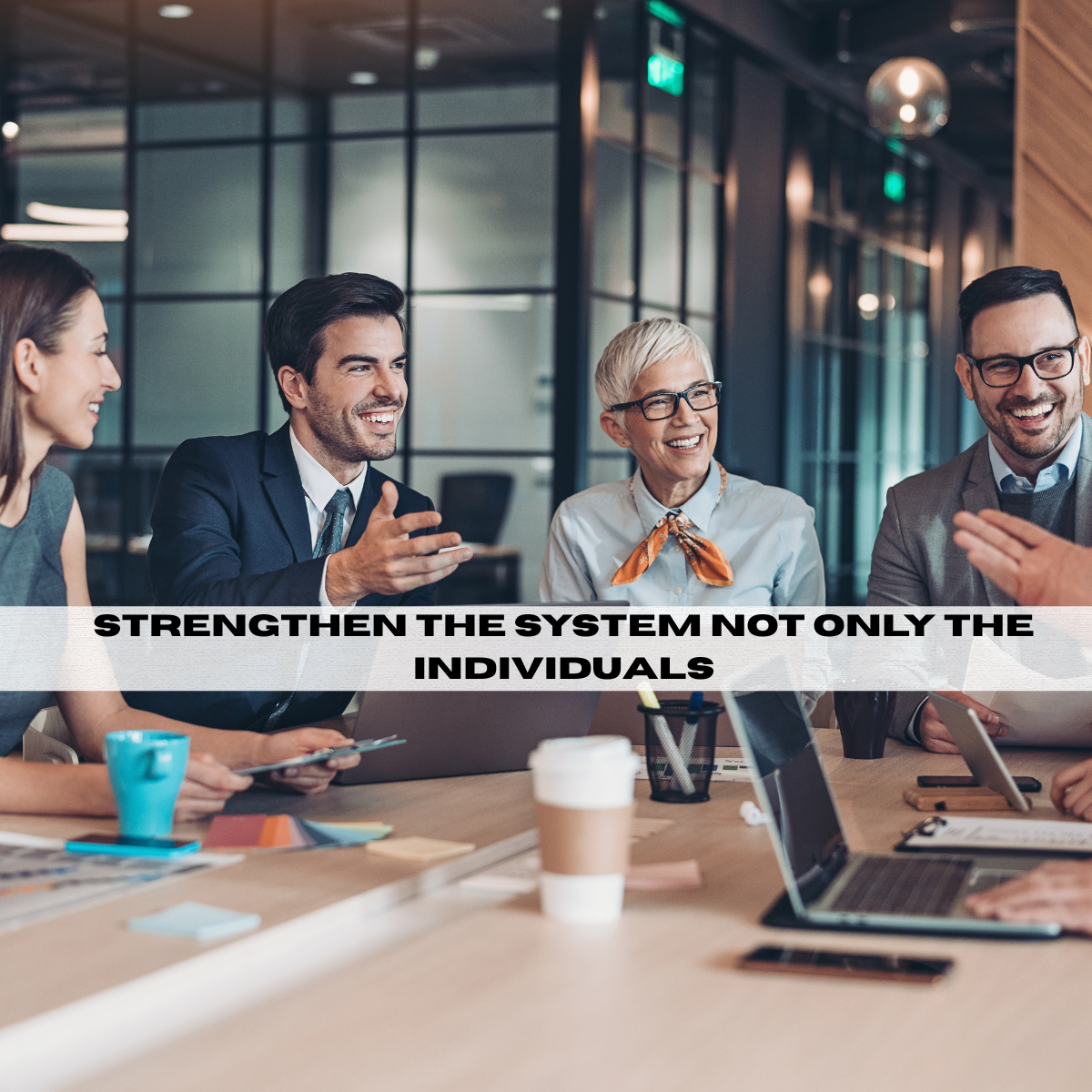
This is not about fixing people. It is about strengthening how the system functions.
The Role of the Leader in Team Coaching
One of the most powerful and often misunderstood aspects of team coaching is the role of the leader.
In effective team coaching engagements, the team leader is coached separately, in parallel, while also participating in the team process.

Why?
Leaders are not outside the system. They are part of it.
Separate leadership coaching provides a confidential reflective space to:
- Reflect on leadership impact and presence
- Explore assumptions, habits, and blind spots
- Strengthen emotional intelligence and communication
- Practice responding rather than reacting
- Learn how to reinforce healthy team dynamics over time
This dual approach ensures that what is learned in the team setting is supported, modeled, and sustained by leadership.
Getting Started With Team Coaching
Introducing team coaching does not require a crisis. In fact, the most successful engagements often begin with curiosity rather than urgency. Team coaching is more than facilitating meetings and conducting assessments. It can be about surfacing some of the tensions between team members and gaining an understanding that the tensions “are often a function of the tensions in the system the team serves (Lines & Leary-Joyce, 2024).
A thoughtful starting point includes:
- Clarifying the team’s shared vision and mission
- Identifying current challenges and desired outcomes
- Acknowledging what is working well—and what is getting in the way
- Committing to the process, not just quick fixes
Team coaching works best when organizations view it as a developmental investment, not an intervention.
It is a commitment to learning together.
A Systems Lens: Seeing the Whole, Not Just the Parts
One of the defining features of systemic team coaching is the ability to see beyond individual behaviors and into the patterns and structures shaping those behaviors.
“Today I would first ask the team: ‘Who is the team in service of?’; ‘What do your stakeholders currently value receiving from you and what will the stakeholders need different from you in the future?’ In reviewing the coaching so far accomplished, I will then ask: ‘If your stakeholders had been sitting in on our work together, what would they value about the work we have done and what would their challenge be to us?” ― Peter Hawkins, Leadership Team Coaching: Developing Collective Transformational Leadership
This includes:
- How information flows
- How decisions are made
- Where authority and accountability sit
- How conflict is handled—or avoided
- How the team interacts with the broader organization
By stepping back to observe the system, teams gain insight into what truly needs to shift—not just what feels urgent in the moment.
When systems are supported through change, rather than pushed through it, transformation becomes sustainable.
From Coaching to Capability
The ultimate goal of team coaching is not dependence on a coach.
It is capability.
Over time, teams learn how to:
- Have more courageous conversations
- Navigate tension productively
- Self-correct when patterns resurface
- Stay anchored to purpose during change
The coach gradually becomes less central as the leader and team build the confidence and skills to support themselves.
That is when real transformation takes hold.
Why Organizations, Associations, and Businesses Should Consider Team Coaching
Team coaching is not limited to corporate settings. It is equally powerful for:
- Leadership teams
- Cross-functional groups
- Boards and associations
- Healthcare, education, and non-profit teams
- Growing businesses navigating scale and complexity
Wherever people are working together toward something that matters, team coaching can help them do it with greater alignment, clarity, and impact.
Looking Ahead
As we move into 2026, organizations that thrive will be those that invest not only in strategy, but in how people work together to bring that strategy to life.
Team coaching offers a way to:
- Strengthen cohesion
- Unlock collective intelligence
- Foster collaboration
- Align action with vision
- Create lasting systems change
When teams learn together, grow together, and lead together, the results go far beyond performance. Why not work toward a vivid vision that reflects ecosystem needs, wants, and desires for not only the here and now but also the future.
They shape cultures where people, purpose, and possibility are truly aligned.
- Leary-Joyce, J., & Lines, H. (2024). Systemic team coaching (2nd ed.). Academy of Executive Coaching Press.
- Hawkins, P. (2021). Leadership team coaching: Developing collective transformational leadership. Kogan Page.
Debra Kasowski is a two-time TEDx speaker, executive coach, three-time bestselling author, and host of The Millionaire Woman Show podcast. With a background in healthcare leadership and a passion for personal mastery, she helps high-achieving professionals silence self-doubt, lead with confidence, and take bold, intentional action. Currently pursuing her Master’s in Organizational Leadership, Debra blends real-world experience with evidence-based strategies to empower others to live and lead with purpose. A triathlete and resilience advocate, she inspires others to push beyond perceived limits and embrace the power of choice. Learn more at www.debrakasowski.com.
Leave a Reply